☕ Espresso
☕ Espresso Guide
- Preheat the portafilter and cup with hot water. Dry thoroughly.
- Dose 18g of finely ground coffee into the portafilter basket. Distribute evenly.
- Tamp level with firm, consistent pressure (30lb). Ensure a flat puck.
- Lock in the portafilter and immediately start the shot — don't wait.
- Monitor the extraction: aim for a honey-like flow, 25-30 seconds total.
- Serve immediately. The shot should have golden crema and a balanced flavor.
💧 Pour-Over
💧 V60 Pour-Over Guide
- Rinse the paper filter with hot water to remove papery taste and preheat the dripper. Discard rinse water.
- Bloom: Pour 40g water in a slow spiral, wetting all grounds. Wait 45 seconds for CO₂ release.
- First pour: Add water to 150g using gentle concentric circles. Keep the bed level.
- Pulse pours: Add water in 50g pulses (200g → 250g → 300g → 360g), maintaining 1cm water depth.
- Let it draw down. Total time should be ~3:00. Lift dripper, swirl gently, serve.
brewers
brewer Batch Brew Guide
- Scale up your recipe using the 1:16 ratio. Weigh coffee — don't scoop.
- Pre-wet the filter basket if using paper filters. Insert and secure.
- Brew on the proper cycle. Most commercial brewers handle saturation automatically.
- Stir the batch gently after brewing to homogenize the extraction.
- Hold at 180°F+ in an insulated airpot or thermal server. Never on a hot plate beyond 30 min.
- Discard after 60 minutes. Coffee degrades rapidly on heat.
🧊 Cold Brew
🧊 Cold Brew Guide
- Weigh coffee at 1:8 ratio (e.g., 500g coffee to 4L water). Grind coarse.
- Combine coffee and room-temperature water in a food-safe container. Stir to saturate all grounds.
- Steep 18 hours at room temperature. Cover but don't seal airtight.
- Filter through a fine mesh strainer, then through paper filter for clarity.
- Dilute concentrate 1:1 with water or milk. Serve over ice.
- Keg it: Transfer to a keg, charge with nitrogen (30-35 psi), serve on cold tap. Concentrate lasts 2 weeks refrigerated.
French Press
French Press French Press Guide
- Preheat the press with hot water. Discard. Add coarsely ground coffee (1:15 ratio).
- Pour water just off boil (200°F) to saturate all grounds. Start timer.
- Stir gently at 1 minute to break the crust. Skim foam and floating bits.
- Insert plunger at 4:00. Press down slowly and steadily — no forcing.
- Decant immediately into cups or a thermal carafe. Do not leave in the press — it keeps extracting.
Grind Size Guide
Dot sizes are proportional to grind particle size. Finer = more surface area = faster extraction.
Water Temperature
Under 195°F
Under-extracted. Sour, thin, lacking sweetness. Compounds don't dissolve fully.
195°F – 205°F
Balanced extraction. Sweet, complex, full flavor. The ideal range for all methods.
Over 205°F
Over-extracted. Bitter, astringent, burnt notes. Tannins and bitter compounds release.
💡 Tip: Bring water to a boil, then wait 30 seconds. You'll land right at ~200°F.
Golden Ratio Chart
| Method | Ratio | Coffee (per 12oz cup) | Notes |
|---|---|---|---|
| Espresso | 1:2 | 18g → 36g shot | Concentrated, intense |
| Ristretto | 1:1.5 | 20g → 30g shot | Even more concentrated |
| Lungo | 1:3 | 16g → 48g shot | Longer, diluted shot |
| Pour-Over (V60) | 1:16 | 22g → 360g | Bright, clean cup |
| Batch Brew | 1:16 | 22g → 360g | Consistent at scale |
| French Press | 1:15 | 24g → 360g | Full body, rich |
| Cold Brew Concentrate | 1:8 | 45g → 360g | Dilute 1:1 to serve |
| Cold Brew (Ready-to-Drink) | 1:16 | 22g → 360g | Steeped cold, no dilution |
| Aeropress | 1:14 | 26g → 360g | Versatile, strong |
| Chemex | 1:17 | 21g → 360g | Clean, tea-like |
Troubleshooting Grid
Equipment Care
Daily
- Backflush espresso machine with water
- Wipe group head and shower screen
- Clean grinder hopper and chute
- Wash portafilter baskets and pitchers
- Empty and rinse drip trays
- Purge steam wand after each use
Weekly
- Backflush with espresso cleaner (Cafiza)
- Soak portafilter baskets in cleaner
- Grind grinder burrs with cleaning pellets (Grindz)
- Descale pour-over kettles
- Clean drip coffee maker spray head
- Deep clean steam wand with cleaner
Monthly
- Descale espresso machine boiler system
- Replace water filters (if applicable)
- Deep clean grinder — full disassembly
- Check and calibrate scales and thermometers
- Clean or replace brewer spray plates
- Inspect gaskets and seals for wear
Quarterly
- Replace espresso machine group gaskets
- Replace shower screens if worn
- Burr alignment check or replacement
- Professional machine service / PM
- Deep descale of entire water system
- Review and log maintenance history
Brewing Better Coffee Starts Here
Quality beans, precision tools, and the knowledge to use them.
Shop for Small Coffee Shops →More brew methods
Three more techniques every cafe should know.
AeroPress
Versatile and forgiving. Great for travel, pop-ups, and single cups.
15g · 250g water · 80°C
Steps: Grind medium-fine. Bloom 30s. Stir 10s. Press 30s. Total 1:30.
Moka Pot
Stovetop espresso. Strong, concentrated, Italian-style.
18g · 180g water · medium-fine
Steps: Fill bottom chamber. Add coffee to basket. Assemble. Medium heat. Remove when gurgling.
Turkish / Greek
Finest grind of all. Simmered in a cezve. Unfiltered, thick, ritualistic.
7g · 70g water · extra-fine
Steps: Mix coffee + water + sugar in cezve. Simmer twice. Pour. Let grounds settle. Serve.
Water matters more than you think
98% of your cup is water. Bad water = bad coffee, no matter how good the beans.
Ideal specs
- —TDS: 75-150 ppm
- —Hardness: 50-100 ppm CaCO3
- —Alkalinity: 40-80 ppm
- —pH: 6.5-7.5
- —Temperature: 195-205°F
Common problems
- —Too hard = chalky, dull, flat cups
- —Too soft = sour, hollow, no body
- —Chlorine = chemical taste. Use carbon filter
- —Too hot = bitter, over-extracted
- —Too cold = sour, under-extracted
We test your water during barista training (100lb+ tier) and recommend filtration. Many shops see a 30% flavor improvement just from fixing their water.
Stay in the loop
New origins, harvest updates, and wholesale news
We email once a month. No spam. Just coffee.
Wholesale & White Label Programs
Harvest Market Coffee & Tea · Poulsbo, WA · WSDA Licensed
Master your craft
Great coffee isn't accidental. It's technique, timing, and tasting. Every time.
Cupping & scoring
How professionals taste and rate coffee. Learn the SCA cupping protocol.
SCA scoring scale
- —90-100: Outstanding (specialty grade)
- —85-89.99: Excellent
- —80-84.99: Very good
- —Below 80: Below specialty grade
All our coffees score 84+. Most score 86-90.
10 scoring attributes
- —Fragrance/Aroma (dry + wet)
- —Flavor & Aftertaste
- —Acidity & Body
- —Balance & Uniformity
- —Clean cup & Sweetness
- —Overall (cupper's points)
Flavor descriptor glossary
The words we use when we cup. Learn to describe what you taste.
Fruity
Berry: blackcurrant, blueberry, strawberry
Citrus: lemon, grapefruit, orange peel
Stone fruit: peach, apricot, plum
Tropical: mango, pineapple, passionfruit
Sweet / Nutty
Brown sugar: molasses, caramel, honey
Chocolate: milk, dark, cocoa nib
Nutty: almond, hazelnut, peanut
Vanilla: smooth, creamy sweetness
Floral / Other
Floral: jasmine, rose, bergamot
Spicy: clove, cinnamon, black pepper
Earthy: soil, wood, tobacco
Savory: tomato, leafy, herbal
Based on the SCA Coffee Tasters Flavor Wheel. Every origin we sell comes with a flavor descriptor card.
Espresso dial-in visual
Too sour? Too bitter? Here's what to adjust.
Sour
Grind finer
Shot <20s. Under-extracted. Sharp, lemony, thin.
Balanced
Keep it
25-30s. Sweet, rich, thick crema. Target zone.
Bitter
Grind coarser
Shot >35s. Over-extracted. Dry, harsh, ashy.
Rule: Change ONE variable at a time. Grind first, then dose, then yield.
Dose
18g in
Yield
36g out
Time
25-30s
From our roastery to your cup
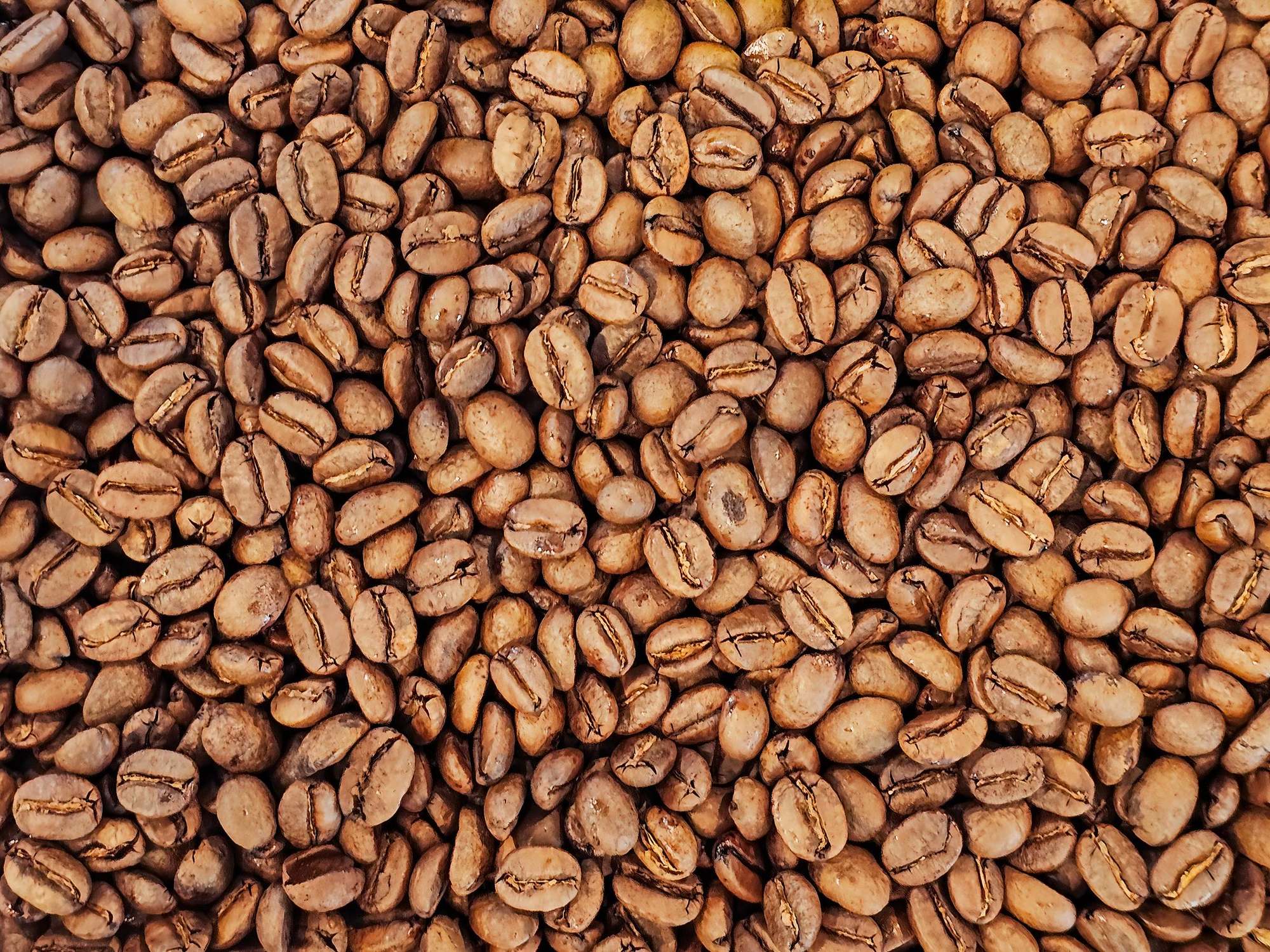
Interactive Grind Visualizer
Drag the slider to see grind texture for each brew method